Feed the beavers - make more water for everyone!

Plants for ecosystem restoration

Hero

No wetlands were harmed in the growing of these plants.

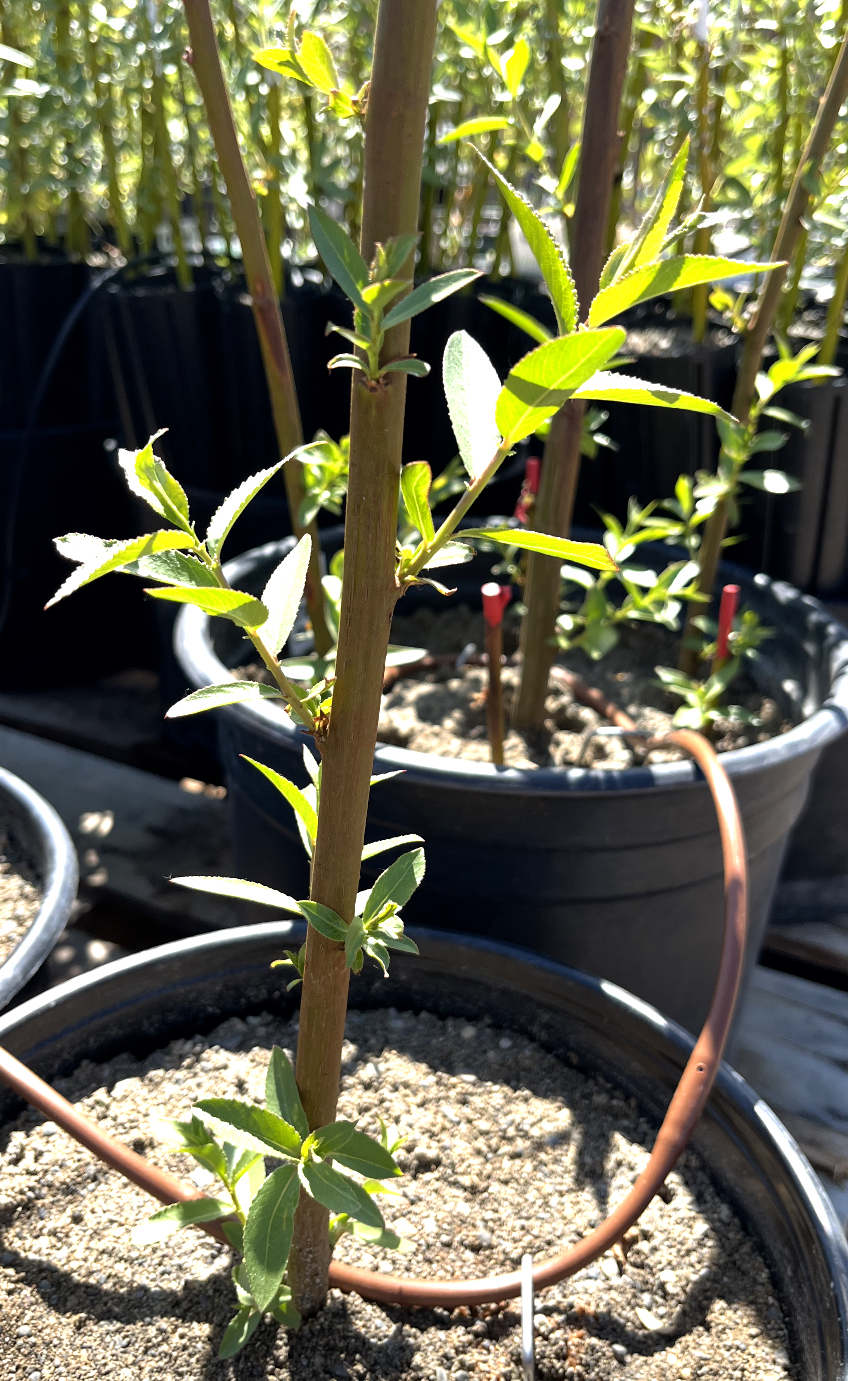
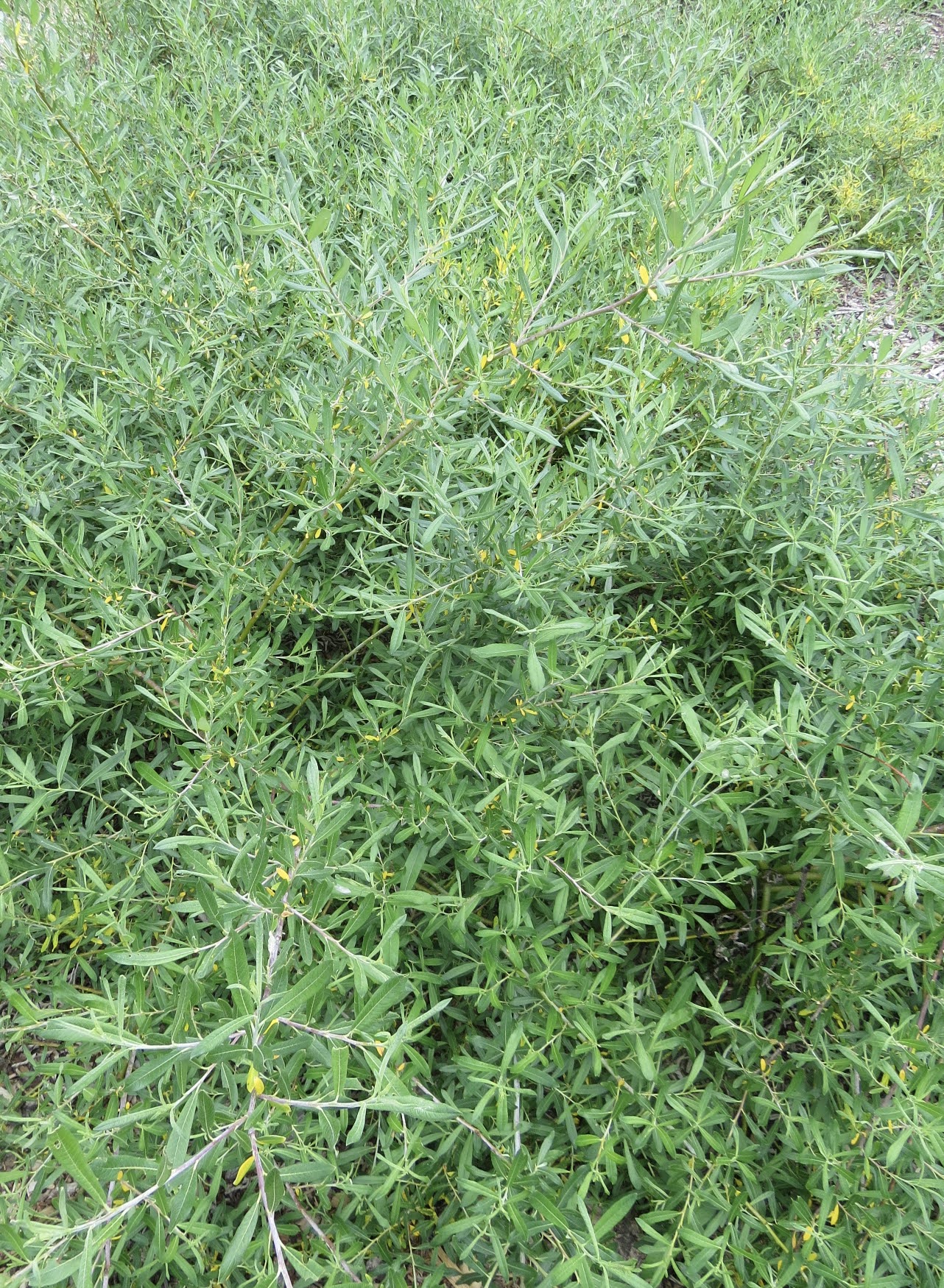
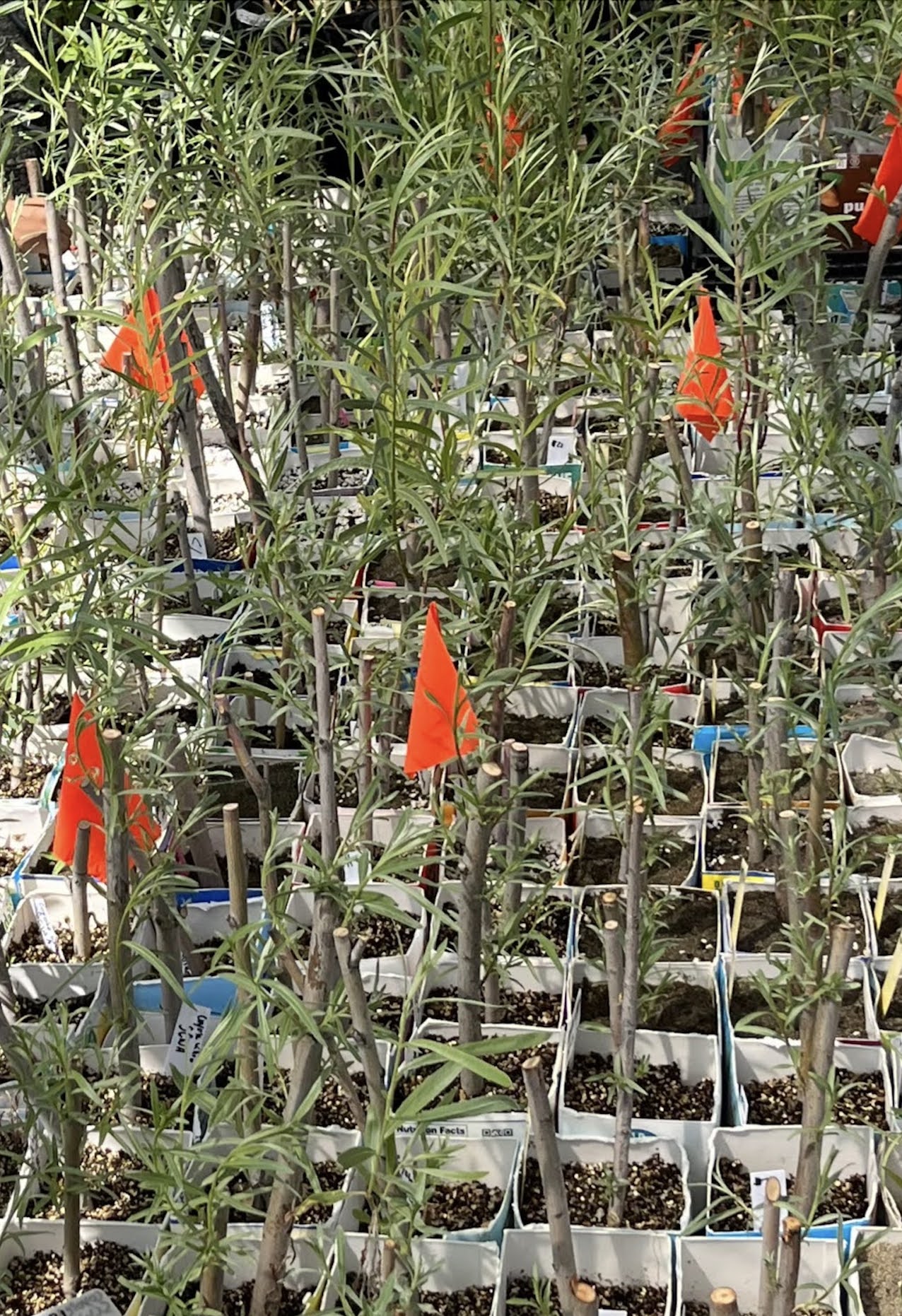
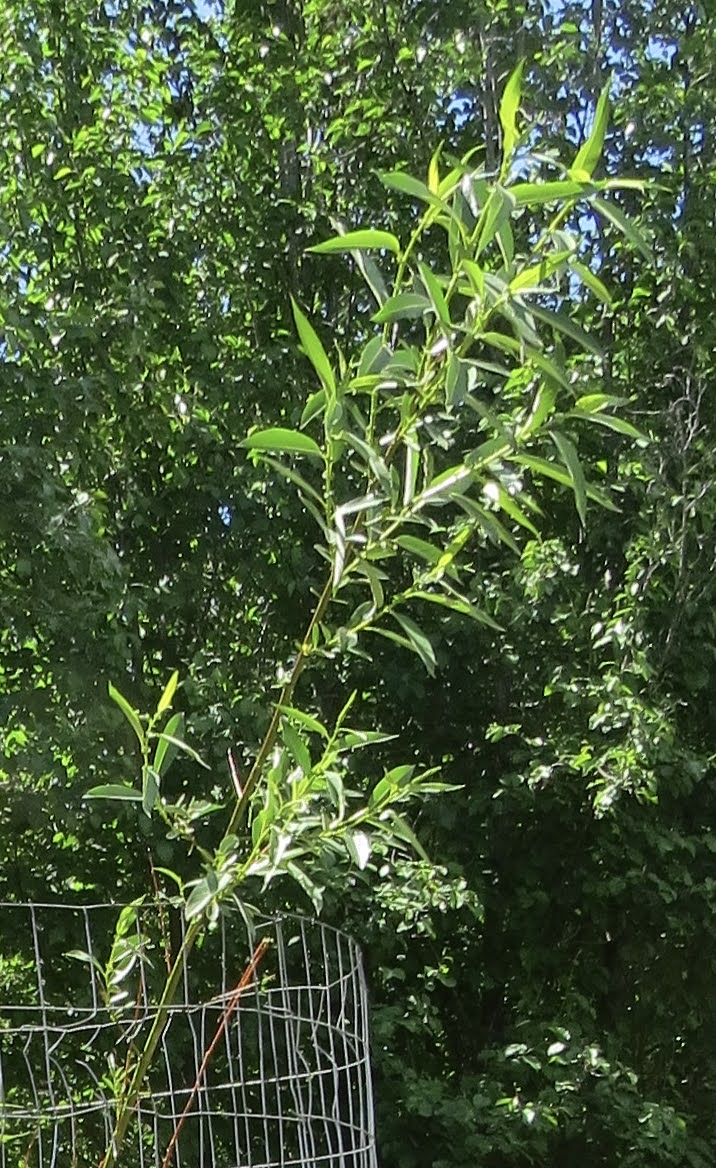
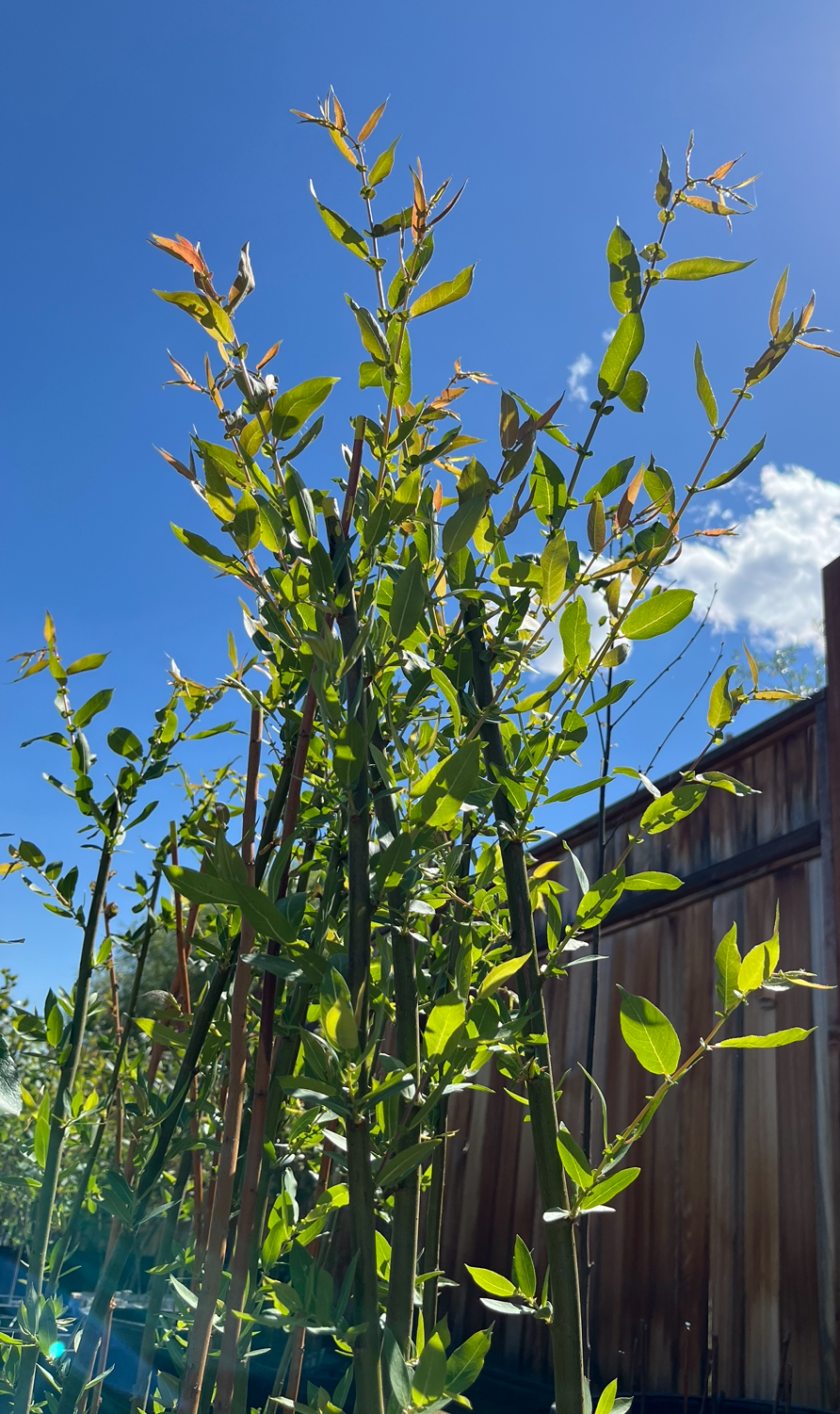
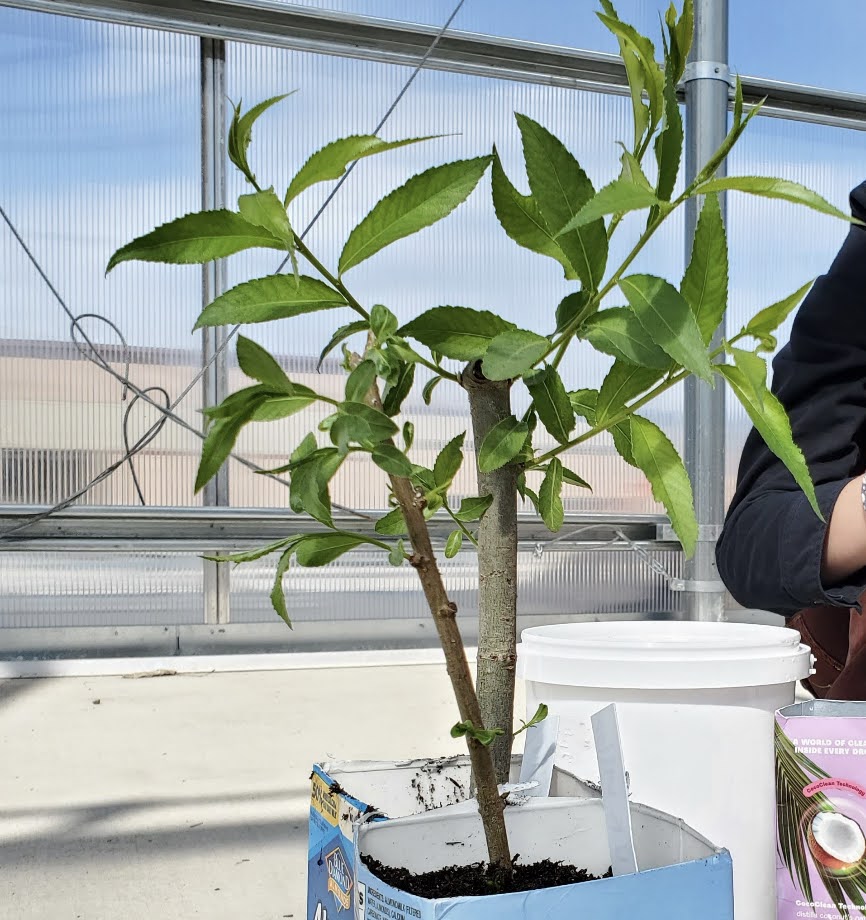
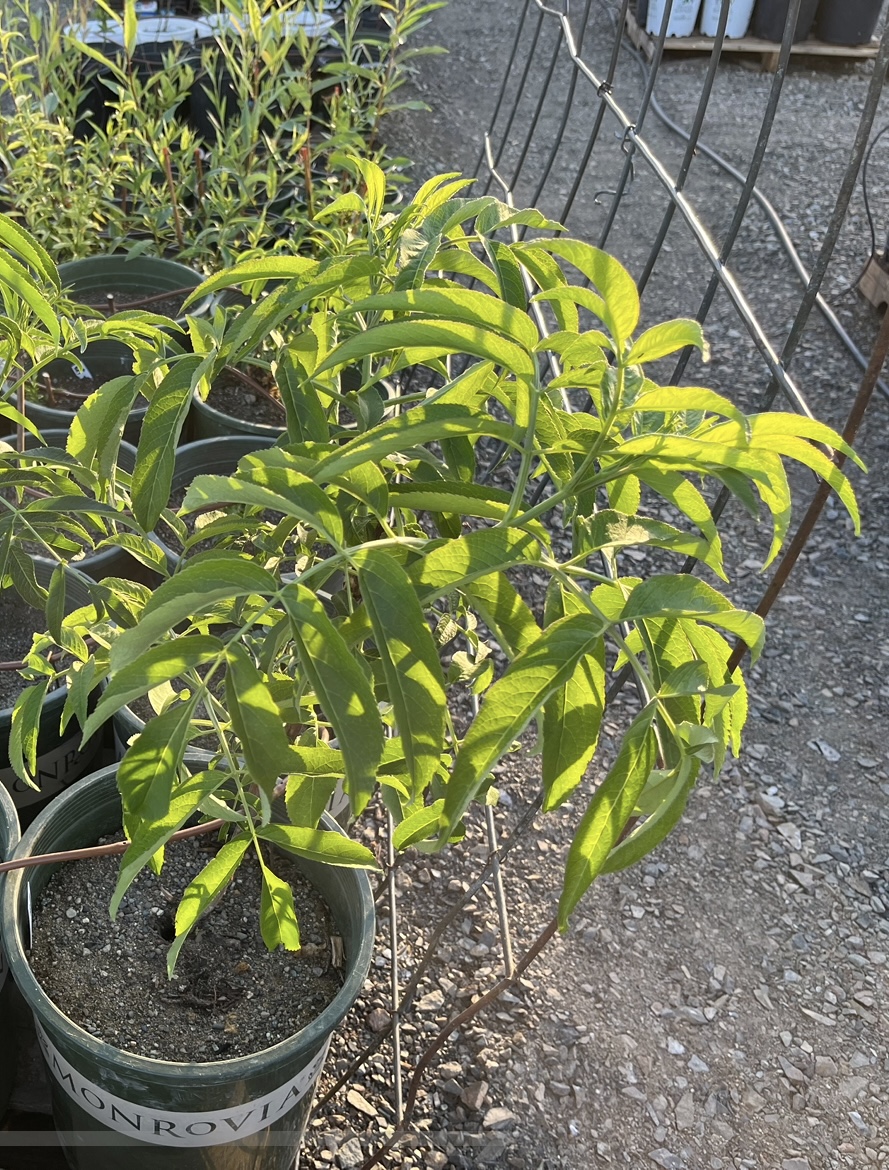
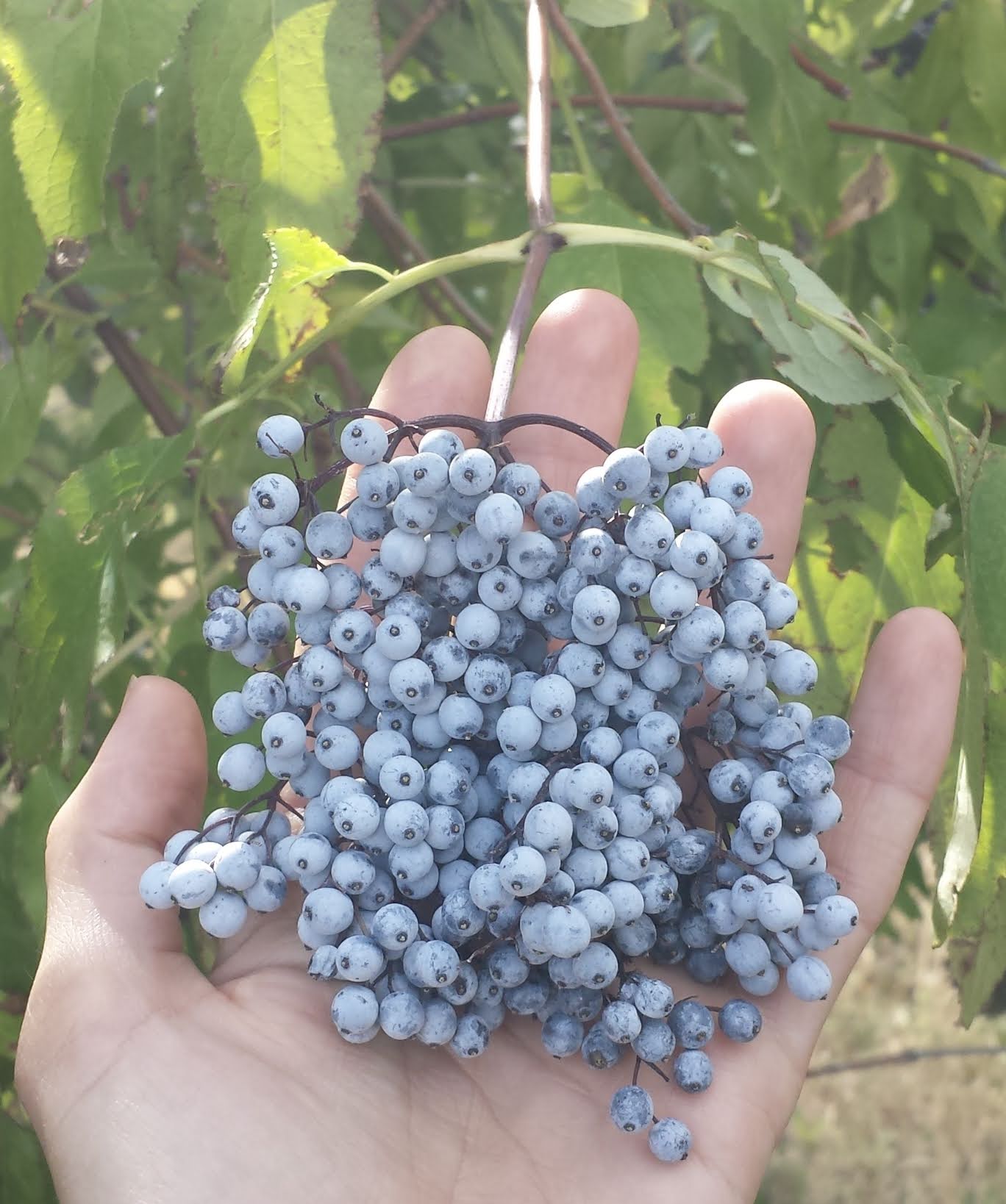
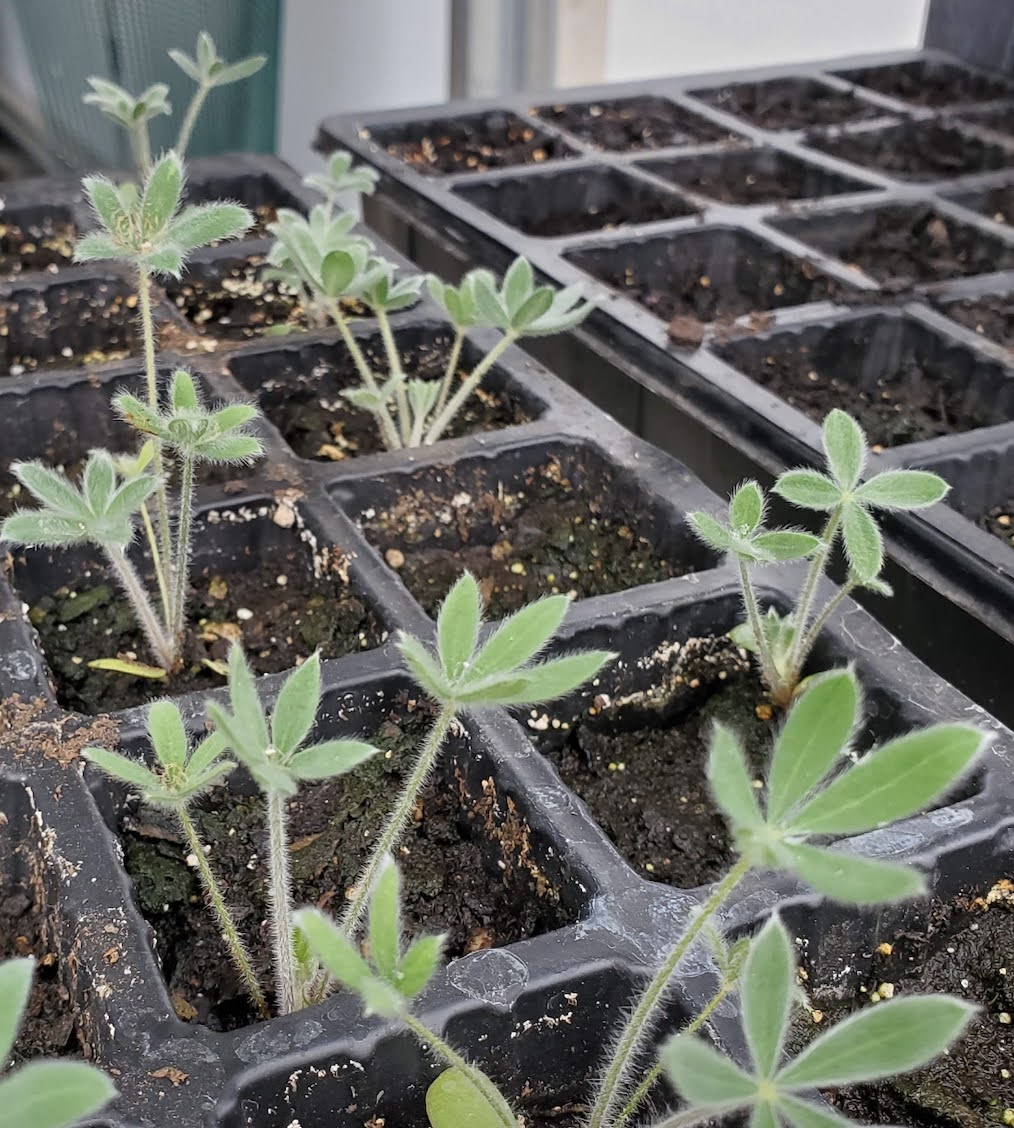
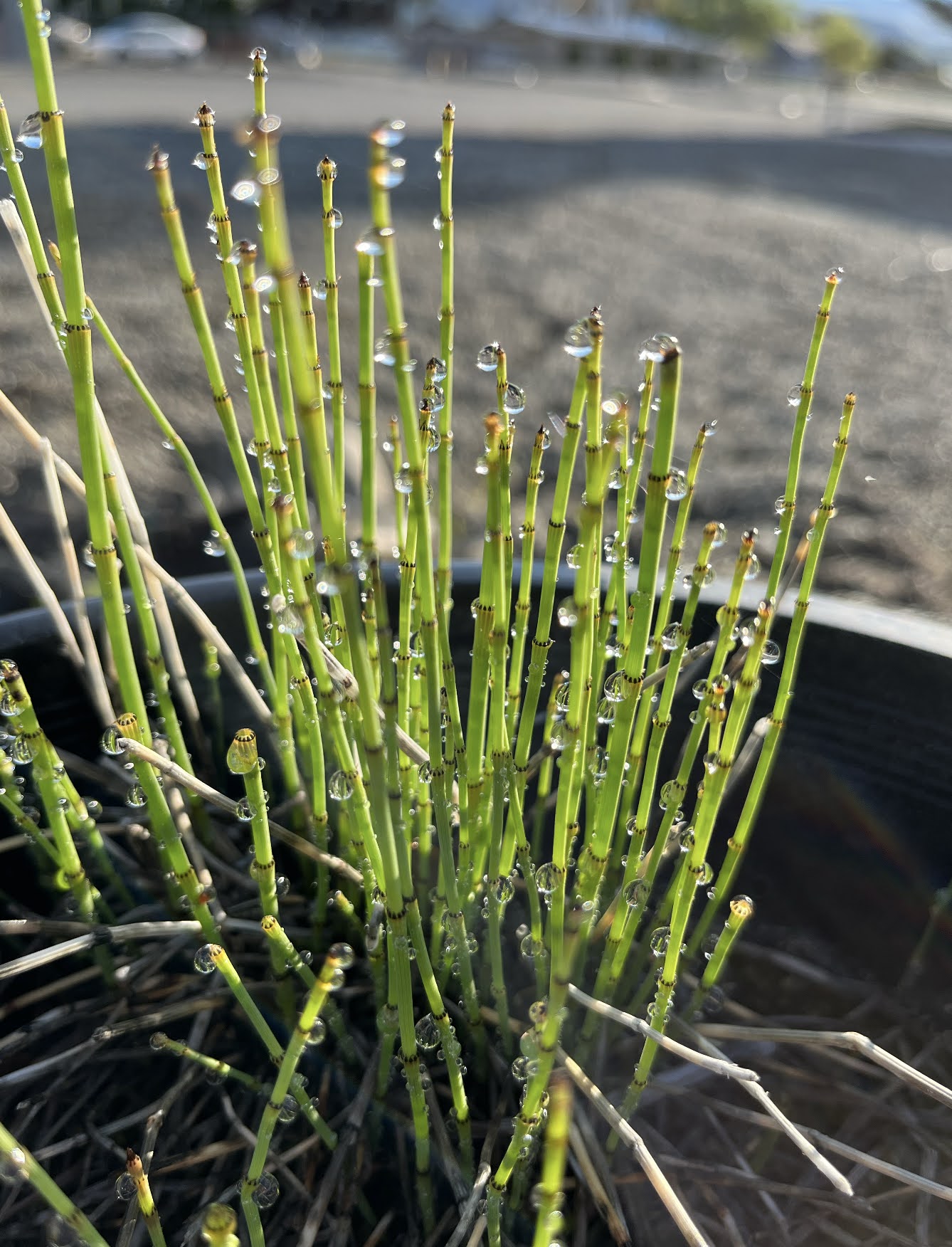
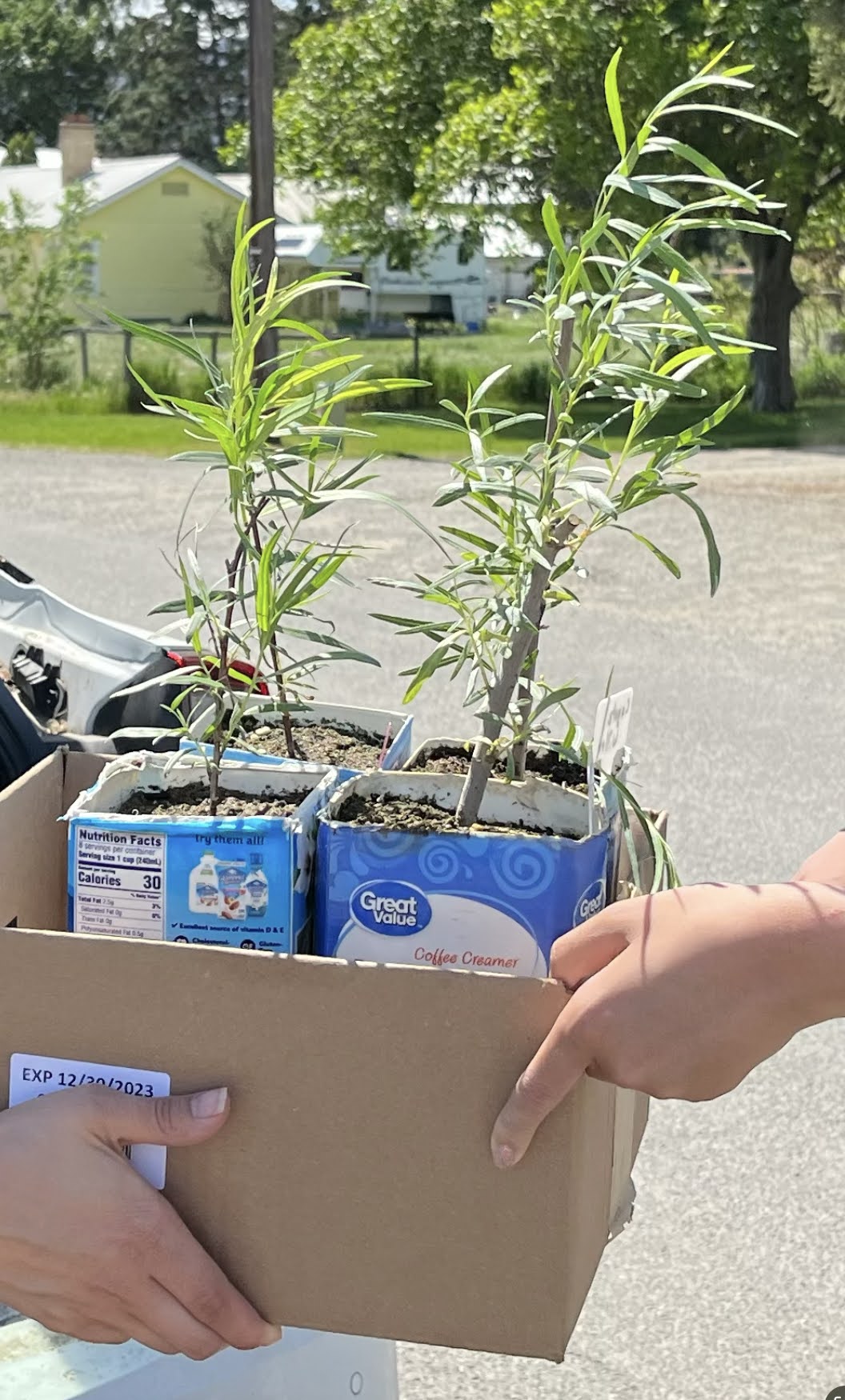
Beaver Food Forest Farm is a peat-free, coir-free native plant nursery in North Central Washington State, specializing in plants that beavers use for food and construction materials. We are dedicated to cultivating a future with enough clean water for everyone, by specializing in native plants that support beavers in their crucial watershed restoration work. No one keeps water on the landscape better than beavers.  

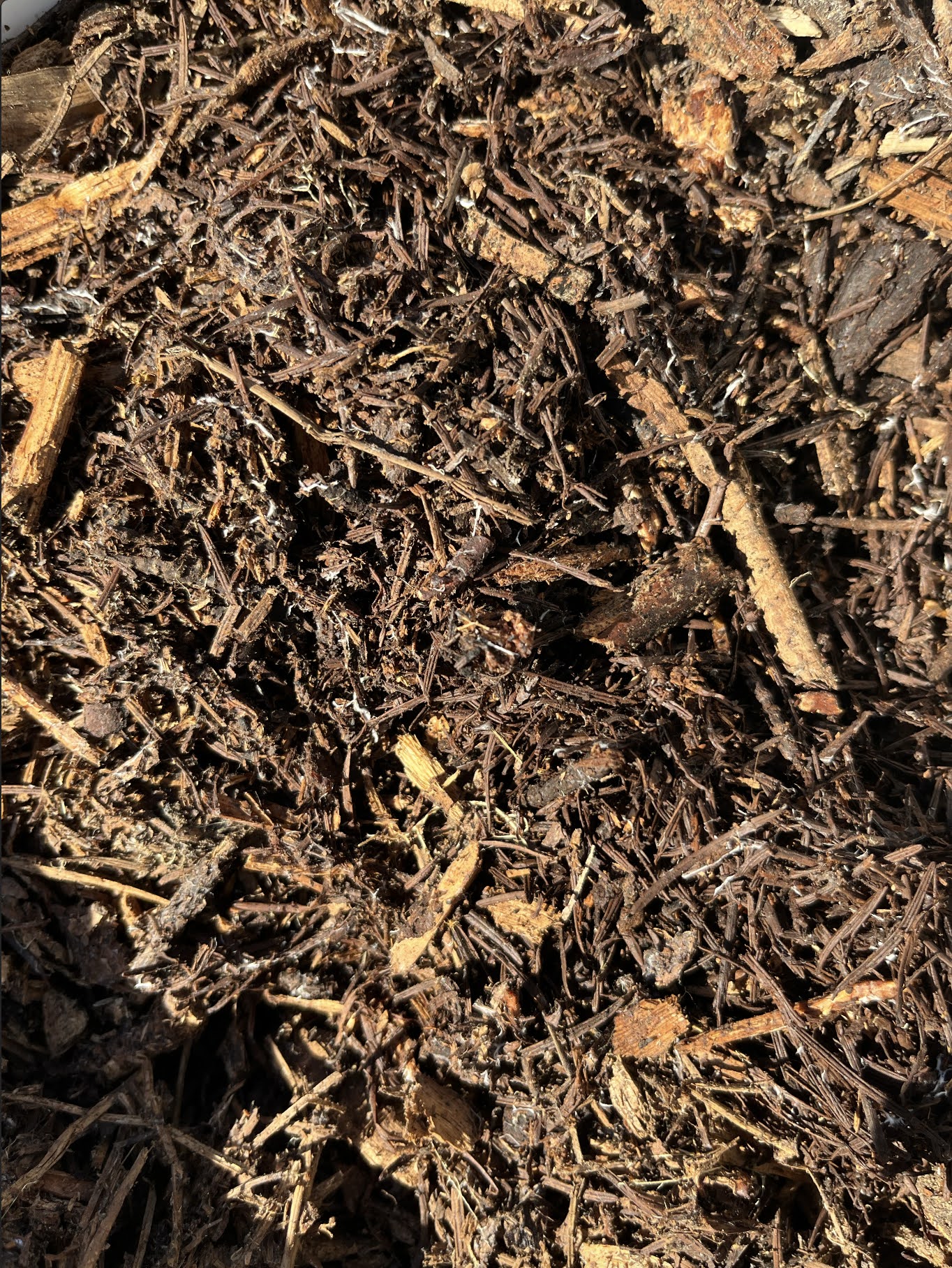
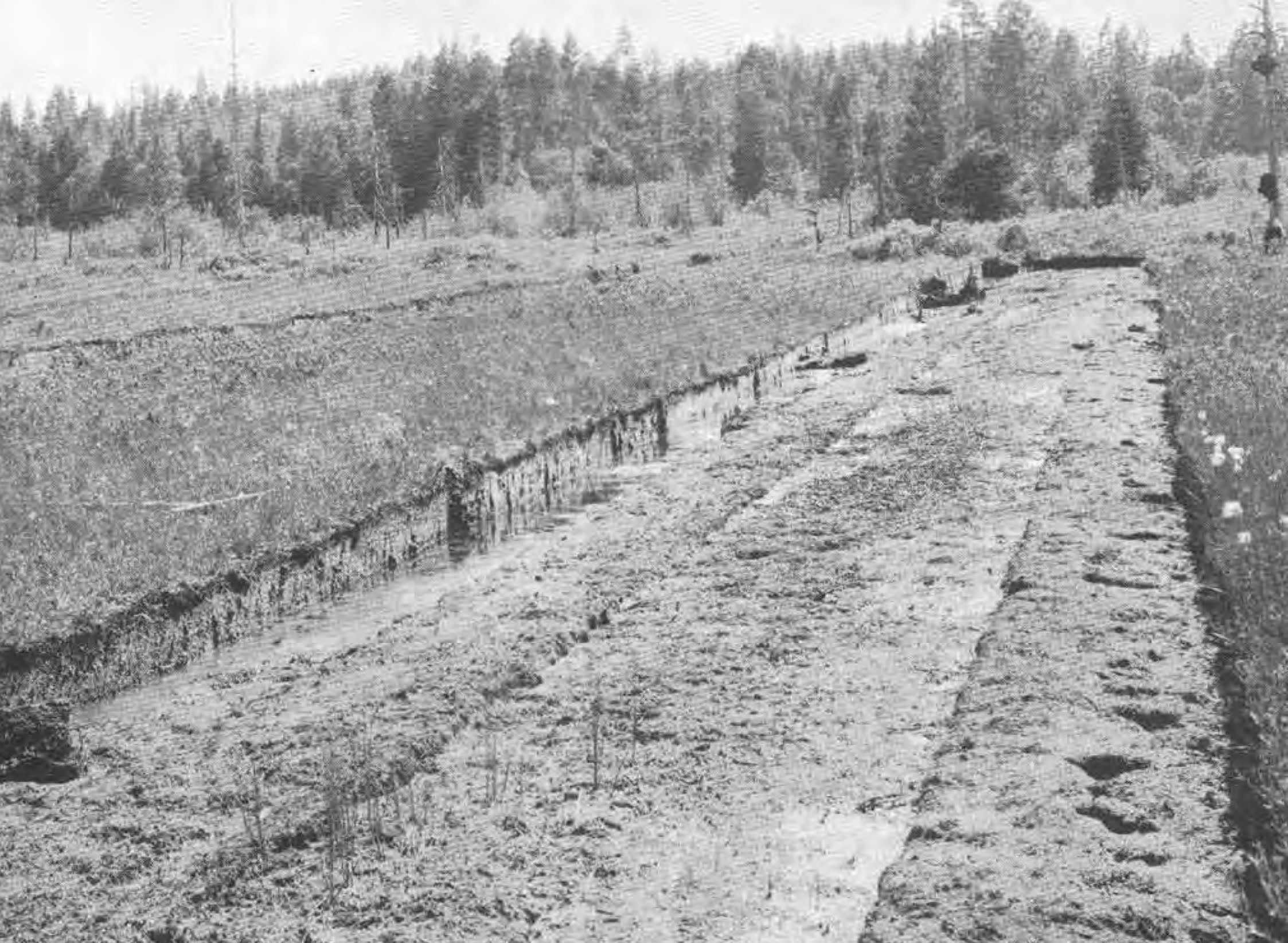
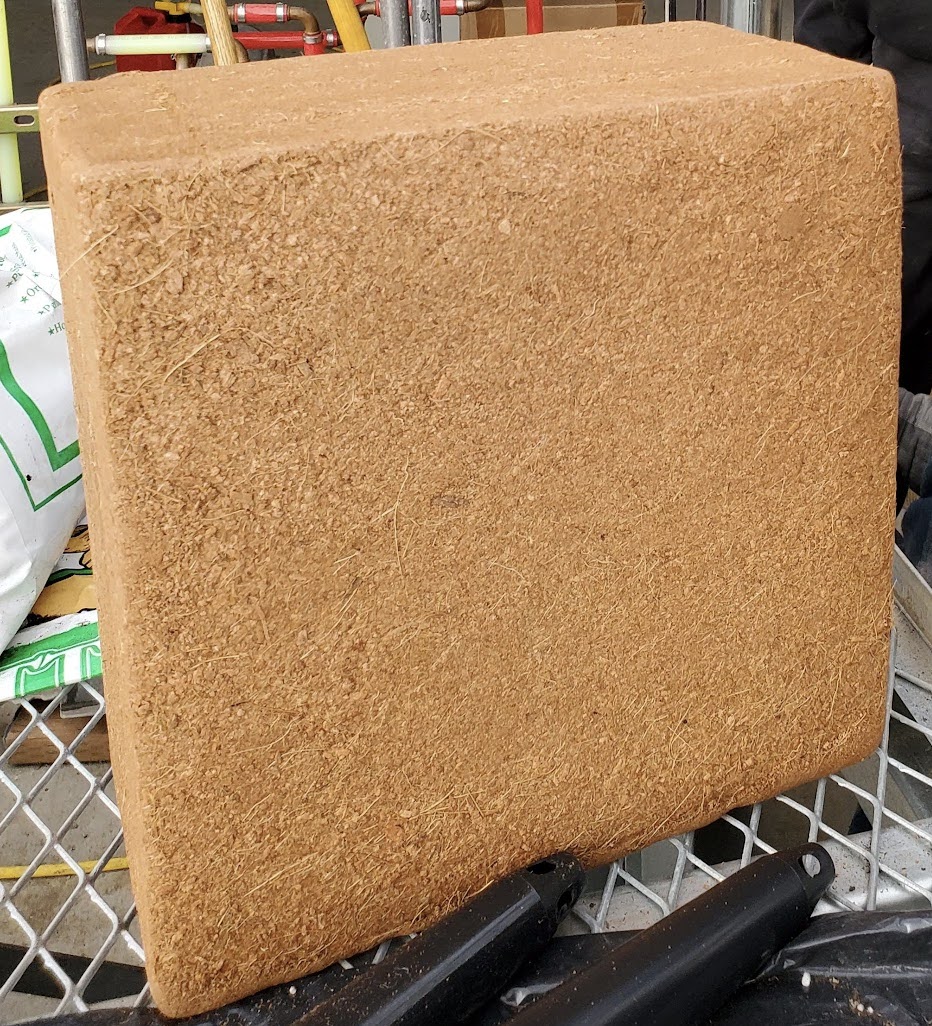
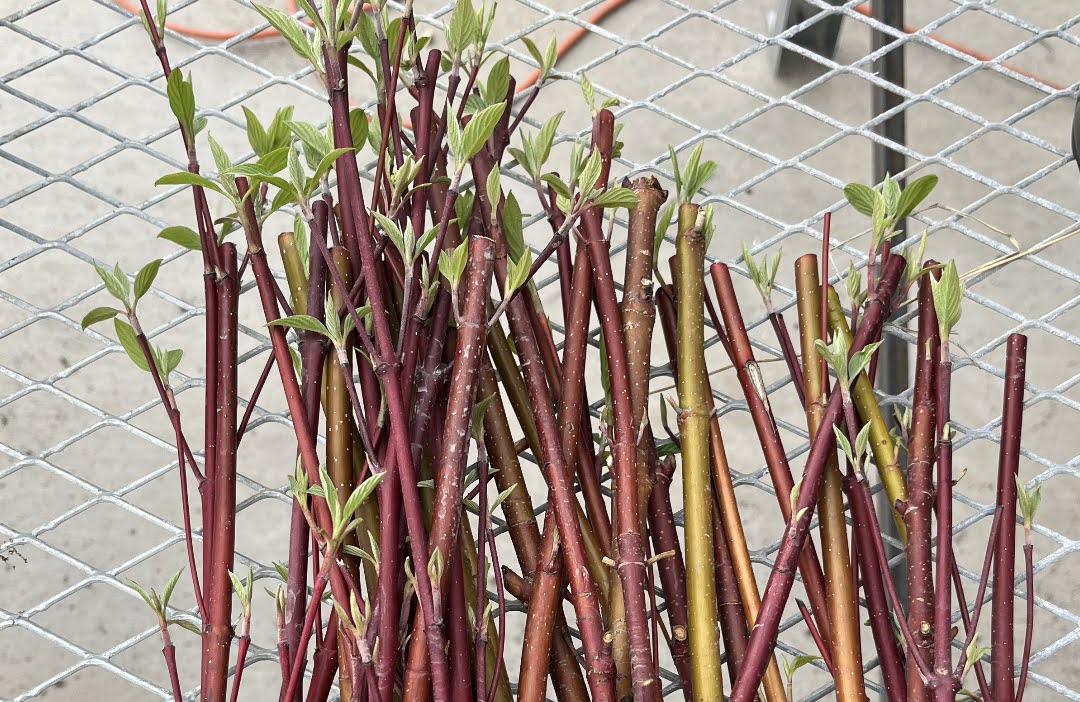
Plants for people who value intact wetlands and clean water: To help preserve peat bogs and clean water, we don’t use peat or coconut coir. Beaver Food Forest Farm uses potting media made from waste products such as recycled paper, leaves, wood chips, woody debris, sheep manure, and low grade, pelletized sheep wool. We are integrating biochar in July 2024. We grow willows, cottonwood, aspen, red osier dogwood, and other native plant species that can be used in process-based ecological restoration.

​The Beaver Food Forest nursery does not use any single-use plastics.

  • Ecologically responsible plant propagation
  • Native Plant Specialist
  • Contributing to Ecological Health

Follow Beaver Food Forest on Instagram, Facebook, TikTok, YouTube, and Twitter (X) ~ sample of stories above
Ready to Learn More?

Click the buttons below for more info on these topics at Beaver Food Forest Farm:

At the end of each of the above info pages, you'll find a button that links back to this main webpage.

What People are Saying
Collaborator Experiences

Why Beavers Matter

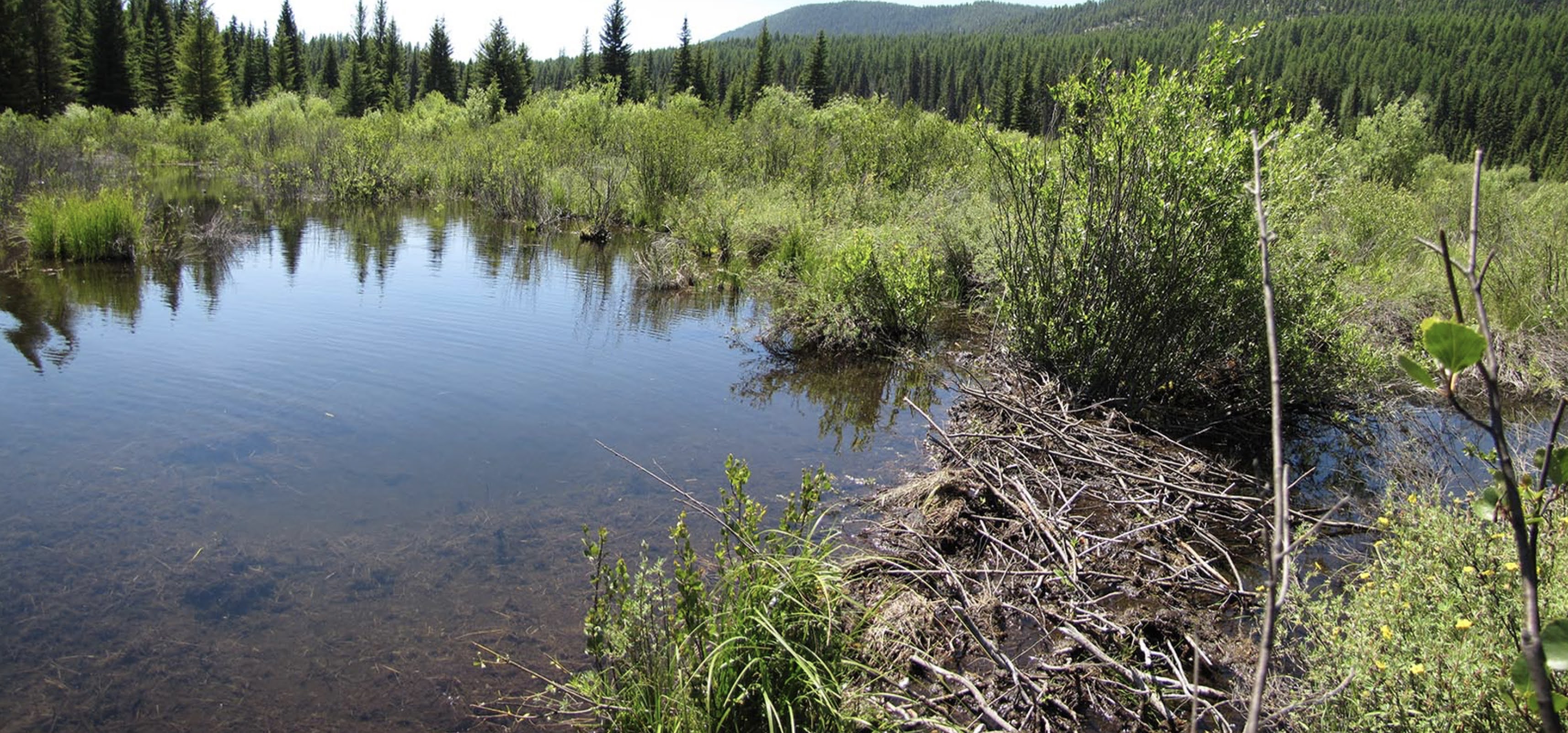
Beavers are a keystone species because their presence makes it possible for a plethora of other species to thrive, and because of the way they shape the landscape. Beavers create dams for their own survival, to generate deep enough water to hide under to escape predators. In so doing, they slow water down, back it up, and cause wetlands to form.

These beaver ponds and wetlands then become crucial for the reproduction, forage, and shelter for countless other species — in particular, amphibians and birds and the insects they rely on, but also habitat for mammals, reptiles, and fish. By slowing the flow, beavers have historically shaped riverine landscapes with a profound influence rivaling that of glaciers. Many of today's wet meadows were previously beaver ponds, with valleys now filled with rich soils and unique plant communities fostered by post-beaver conditions.

Going forward, by forming wetlands, beavers are also able to create the conditions needed to store water during high spring flows and during winter rain that would have previously fallen as snow. In this way, in a natural world facing substantial changes and challenges, beavers represent a pivotal opportunity for climate resilience.

Contact
Let's talk plants!